Overview
- Operational traceability depends on more than meeting regulatory requirements; it also supports inventory accuracy, faster decision-making, and greater supply chain visibility.
- Barcode technology helps businesses monitor product movements with more confidence while reducing manual processes across regulated industries.
- With SAP Business One solutions and the DynamIQ Barcoding Module, organizations can build connected and traceable inventory operations.
Businesses handling regulated goods need reliable ways to monitor products throughout the supply chain. As your operations grow, keeping track of where products come from, how they move between locations, and where they are delivered can become increasingly difficult.
These challenges become more apparent when product information is recorded manually or across disconnected processes. Without a consistent way to capture product movements, you may spend more time verifying records, maintaining documentation, and responding to compliance requirements.
To better understand how barcode systems improve traceability for regulated sectors in the Philippines, this article explores how automated data capture can help you maintain more accurate product information and strengthen supply chain processes.
Regulatory Compliance and Enforcement

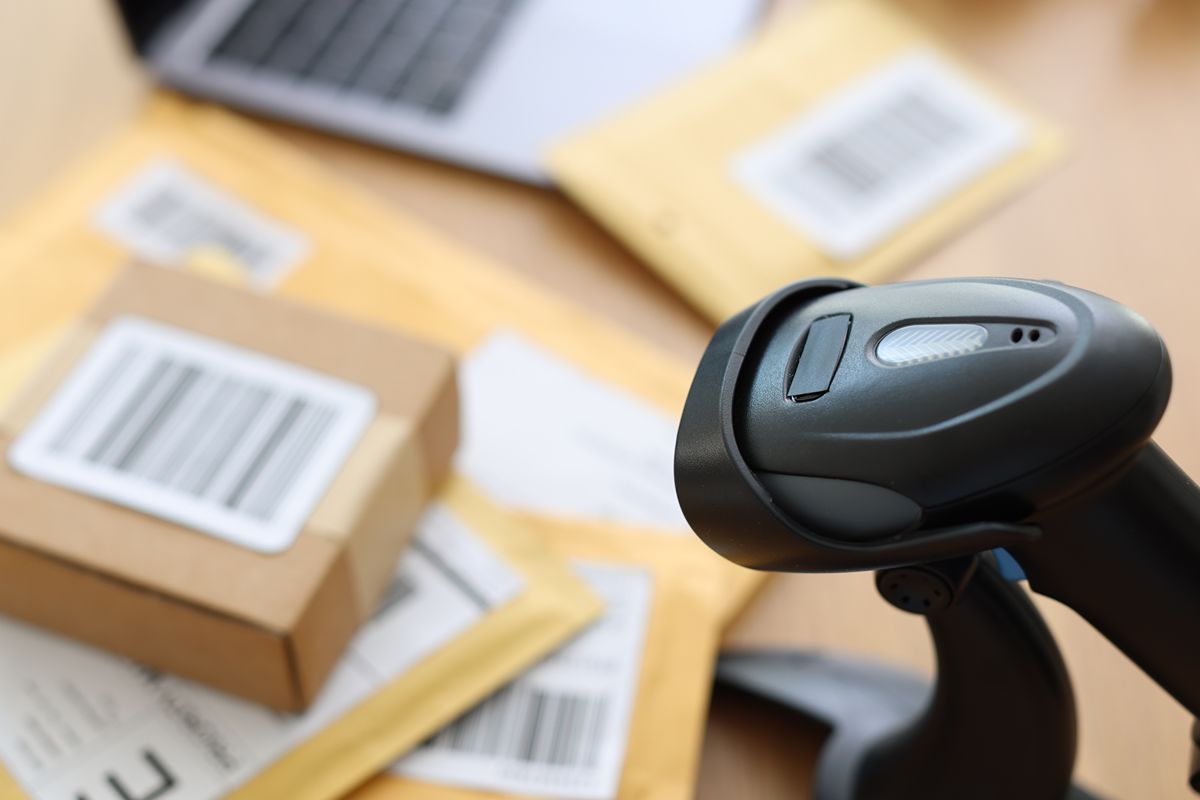
Regulated industries require businesses to maintain full and precise data on how products move throughout their operations. With barcode technologies, a unique identifier is assigned to each product, batch, or serial number and records every transaction whenever the barcode is scanned.
Pharmaceutical Tracking
The pharmaceutical industry relies on accurate traceability because medications should remain identifiable throughout manufacturing, storage, and distribution. Whenever medicines are received, transferred, picked, or shipped, scanning the barcode automatically records the transaction and updates the inventory solution. If a quality issue or recall happens, you can identify exactly which batches are affected, where they are located, and which customers or facilities received them.
Excise and Revenue Protection
Supplies subject to excise taxes should maintain accurate inventory documentation for taxation and regulatory purposes. With barcode systems, every inventory movement is recorded, from receiving imported goods to warehouse transfers and final distribution, creating a complete transaction history.
Because every scan updates inventory data, you can reconcile physical stock with system records. As a result, missing transactions are reduced and audit documentation remains complete and accurate for tax audits or government checks.
Public Verification
When products are traceable, you can offer better transparency to customers and other stakeholders. Barcode software maintains correct records by connecting each item to its manufacturing, storage, and supply chain history.
This allows you to verify product authenticity, respond to customer inquiries efficiently, and demonstrate that items have been handled based on established quality processes. The result is greater trust in both the product and the business providing it.
Supply Chain Efficiency and Safety
Traceability, or the ability to monitor product movement, is one of the most valuable factors of inventory management. Because stock records are updated as activities occur, you always have a clearer understanding of product locations, movement history, and current status.
Rapid Recalls
When a product is found to be defective, contaminated, or unsafe, you need to identify every affected item before it reaches more customers. The longer this process takes, the greater the risk of violations, financial losses, and reputational damage.
Barcode software supports prompt recalls by connecting each product to a specific batch or serial number and recording every movement throughout its lifecycle. This allows you to immediately locate only the affected batches, determine the warehouses or customers involved, and carry out targeted recalls.
Anti-Counterfeiting
If product movements are recorded inconsistently or manually, it becomes challenging to verify whether every item originated from an authorized source or followed the correct distribution procedure. Strong traceability helps you preserve product authenticity by maintaining a documented history of legitimate inventory.
By recording each verified inventory movement, barcode technologies further strengthen the processes of receiving, storing, transferring, and dispatching goods. Where gaps or inconsistencies exist — such as unexpected inventory movements or records that cannot be reconciled — you have a clearer basis for identifying whether unauthorized goods may have entered the supply chain.
Real-Time Logistics
Goods move between suppliers, production facilities, distribution centers, and customers, making constant visibility essential for cohesive inventory data. When inventory updates are delayed, you lose track of where products are located, increasing fulfillment errors and stock discrepancies.
Through barcode scanning, every transaction is automatically reflected in the centralized system. As a result, your warehouse and procurement teams can work with the same up-to-date information — supporting faster decisions and reliable traceability across the supply chain.
Which Businesses Need Barcode Traceability?
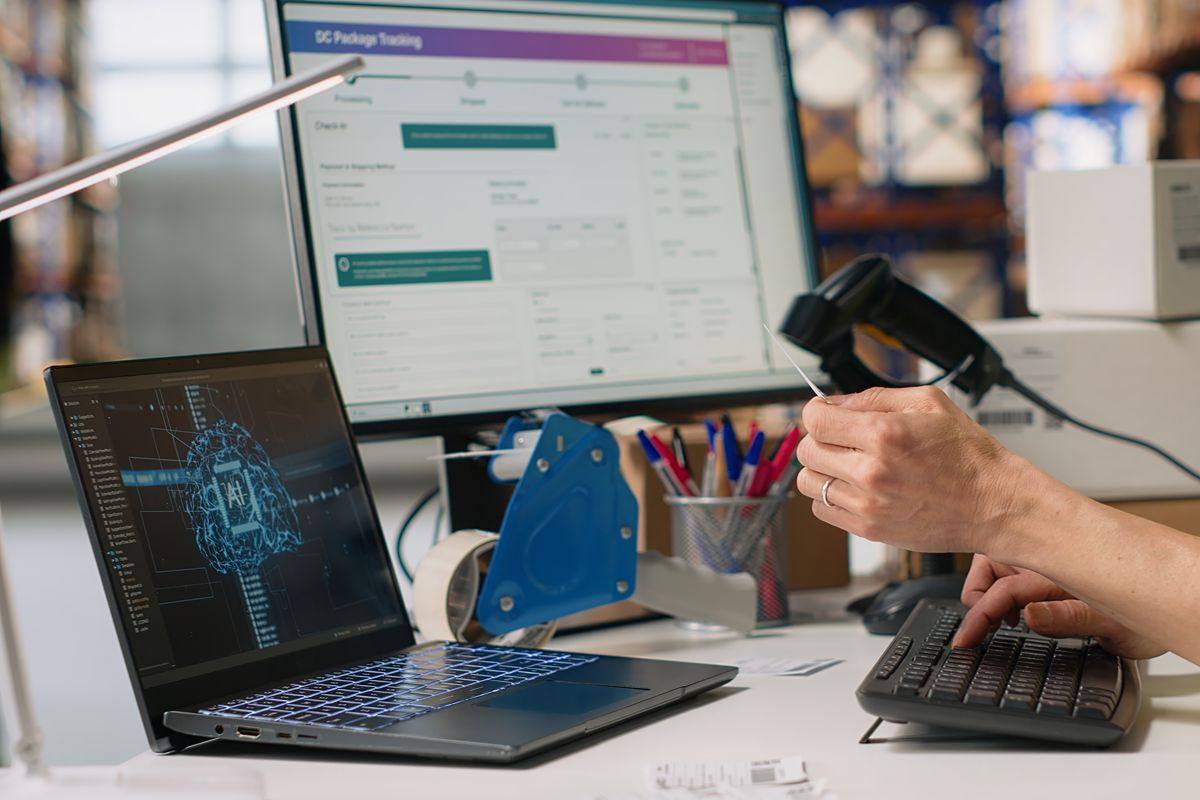
Barcode traceability becomes increasingly valuable when you need to account for products across multiple locations, stages, or transactions. If your business handles high inventory volumes, batch- or serial-managed products, or goods that require detailed movement records, manual tracking can become harder to maintain as operations grow.
This applies to businesses in pharmaceuticals, food and beverage, medical devices, electronics, chemicals, manufacturing, and logistics. If you frequently need to verify where products came from, where they are currently located, or where they were delivered, barcode traceability can provide a more consistent way to capture this information.
Assessing your current inventory workflows can help you determine whether barcode-enabled processes can improve traceability, reduce manual recordkeeping, and give your teams more reliable information to work with.
How DynamIQ Supports Product Traceability Across Regulated Industries
Maintaining reliable product movement records requires consistent data capture and systems that connect information across business processes. DynamIQ, a premier SAP partner in the Philippines, provides SAP Business One solutions with the DynamIQ Barcoding Module to help organizations capture inventory movements across receiving, transfers, picking, packing, and dispatch.
We support businesses through implementation, workflow configuration, user training, and ongoing technical support. Our approach helps you establish barcode-enabled processes that align with your inventory workflows while improving product visibility and traceability across operations.
Key Takeaway
Understanding how barcode systems improve traceability for regulated sectors in the Philippines can help you strengthen product data, inventory control, and compliance processes while building more reliable supply chain operations.
If you’re looking to improve product traceability with SAP Business One, DynamIQ can help. We implement the Barcoding Module to support real-time inventory tracking and end-to-end visibility across your operations. Reach out to us today to learn more.